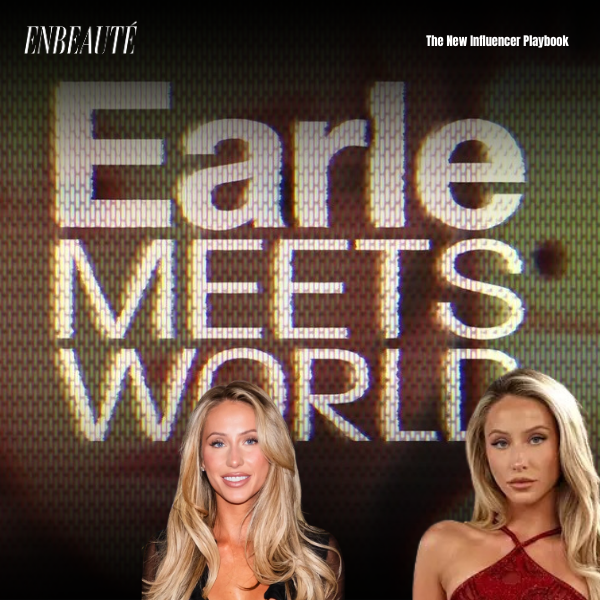
There was a time when the ultimate creator flex was the campaign fee. Get the contract. Post the content. Collect the check. Maybe negotiate a higher rate when the renewal comes around. Alix Earle’s latest investment suggests the next flex looks very different: Own part of the company you’re helping people discover. Earle has taken an equity stake in wellness brand Cymbiotika, turning what the company says began as genuine product use into a financial relationship. The size of her investment has not been disclosed, but Earle will also introduce the brand to her audience of more than 14 million followers across TikTok, Instagram and YouTube, and the relationship could eventually include a co-branded product. It would be easy to file this under another influencer partnership. We think that misses the bigger story. Earle is building a portfolio. And for creators earning substantial, consistent income from their influence, her strategy raises a question worth asking: At what point should you stop negotiating only for a bigger campaign fee and start negotiating for ownership?
From Creator Income to Creator Capital
Earle has become one of the clearest examples of what happens when a creator begins treating influence as capital. Forbes estimates her 2026 creator earnings at $12 million and lists investments in Poppi, GORGIE and SipMargs alongside her own dermatologist-developed skincare company, Reale Actives. Cymbiotika adds wellness to that portfolio. The categories aren't random. Beauty. Wellness. Functional beverages. Energy. Ready-to-drink cocktails. They're highly social consumer businesses where discovery, lifestyle association, repeat purchasing and word of mouth matter enormously. Those happen to be the exact areas where a creator with Earle's audience can contribute something traditional capital cannot buy quite as easily: cultural distribution. A creator doesn't simply arrive with money. She can arrive with customers.
The Old Influencer Model Had a Wealth Problem
Think about how the traditional influencer transaction works. A company pays a creator $25,000, $50,000 or $100,000 for a campaign. The creator makes the content. Her audience discovers the product. Some of those people buy it. Some become repeat customers. The company uses that growth to demonstrate demand, expand into retail, raise more capital or eventually get acquired. The creator? She gets her campaign fee. There is nothing inherently wrong with that arrangement. Creators should be paid for their work. But for the creators who can repeatedly move consumer behavior, campaign income may only capture one portion of the value they're creating. That's where ownership changes the conversation. Instead of being paid exclusively for today's post, equity creates the possibility of participating in what the company becomes tomorrow.
Poppi Made the Difference Easier to See
Earle's involvement with Poppi is particularly instructive. Forbes lists her as having held a stake in the prebiotic soda company, which PepsiCo acquired in 2025 in a transaction valued at $1.95 billion. We don't know the economics of Earle's individual position, so it would be irresponsible to speculate about what she personally made from the transaction. But we don't need to know that number to understand the larger lesson. A sponsored post has a predetermined value. Ownership has exposure to enterprise value. Those are two completely different ways of monetizing influence. And once creator income becomes substantial enough to produce excess capital, investing becomes another lever available to creators who understand the risks.
Cymbiotika Is an Interesting Bet
Earle isn't investing in a tiny wellness company hoping her name can manufacture demand. Cymbiotika reported $150 million in 2025 revenue. The company has expanded into Target and more than 1,000 Ulta Beauty stores, while Earle joins an investor roster that includes Kendall Jenner, Hailey Bieber, Zac Efron, The Weeknd, Steve Aoki and Peggy Gou. The company also says Earle was already using Cymbiotika before investment discussions began. That detail matters. Because the most compelling version of creator investing isn't: Brand finds famous person → famous person buys shares → famous person posts. It's: Customer → advocate → investor. The creator already understands the product. The product already fits her lifestyle. Her audience already associates her with the category. Ownership becomes an extension of an existing relationship rather than a manufactured endorsement. That's a much stronger model.
So, Should Creators Start Asking for Equity?
For high-earning creators, we think the answer is increasingly: they should at least understand the option. That doesn't mean taking equity instead of cash every time a startup comes knocking. Private-company investments are risky. They can remain illiquid for years. Companies fail. Valuations fall. Stakes get diluted. An impressive cap table doesn't guarantee an exit. And "equity" itself can mean very different things. Actual shares are different from options. Options are different from profit participation. Profit participation is different from revenue share. A creator should understand exactly what she's receiving before trading any portion of her cash compensation for the promise of future upside. For creators earning $500,000 or more annually, we think this conversation becomes particularly interesting—not because $500,000 is some magical threshold that automatically makes someone an investor, but because substantial, consistent creator income can create the financial room to begin thinking beyond income and toward assets. The question changes from: How much can I make this year? to: What am I building with what I make?
Your Content and Your Capital Are Not the Same Thing
There is another distinction creators need to protect. An investment agreement and a content agreement are not necessarily the same transaction. If a creator invests her own money into a company and is also expected to post, attend events, create campaigns or provide strategic guidance, those contributions have economic value. Owning shares should not suddenly make her labor free. Before signing, creators need to understand the valuation, percentage ownership, vesting requirements, dilution rights, liquidity restrictions, tax consequences and expectations attached to the partnership. And that means having a lawyer and tax professional who understand private-company transactions—not simply someone accustomed to negotiating influencer contracts. Creator investing requires creator financial literacy. Otherwise, "equity" risks becoming another shiny word brands use to make compensation packages sound more valuable than they actually are.
Influence Is Becoming an Asset Class
This is the part of Earle's strategy we're watching most closely. For years, the creator economy taught people how to monetize attention. Sponsored posts. Affiliate links. Brand ambassadorships. Subscriptions. Merchandise. Then creators started building companies of their own. Now we're watching another evolution: creators using the cash flow and distribution power generated by their platforms to build investment portfolios. The creator doesn't have to choose between influencer and entrepreneur. She can become customer, media channel, founder, investor and shareholder. That changes the power dynamic. Because once the person creating demand also owns part of the company benefiting from that demand, influence stops being merely a marketing expense. It becomes capital.
The EnBeauté Take
We talk constantly about how much creators can charge. We don't talk nearly enough about what creators should do with the money once they earn it. That's the more interesting conversation. A creator earning significant money today has an opportunity previous generations of influencers largely didn't: to turn temporary internet relevance into assets that can potentially outlive the platform that created the relevance in the first place. Not every partnership deserves equity. Not every creator should become an angel investor. And a cap table should never become another status symbol. But creators who consistently generate discovery, credibility, community and conversion should understand the economic value of what they've built. Because the creator economy's next wealth story will not be written only by those who command the highest rates.
It will belong to the creators who recognize when their influence has become valuable enough to merit a seat on the cap table.